
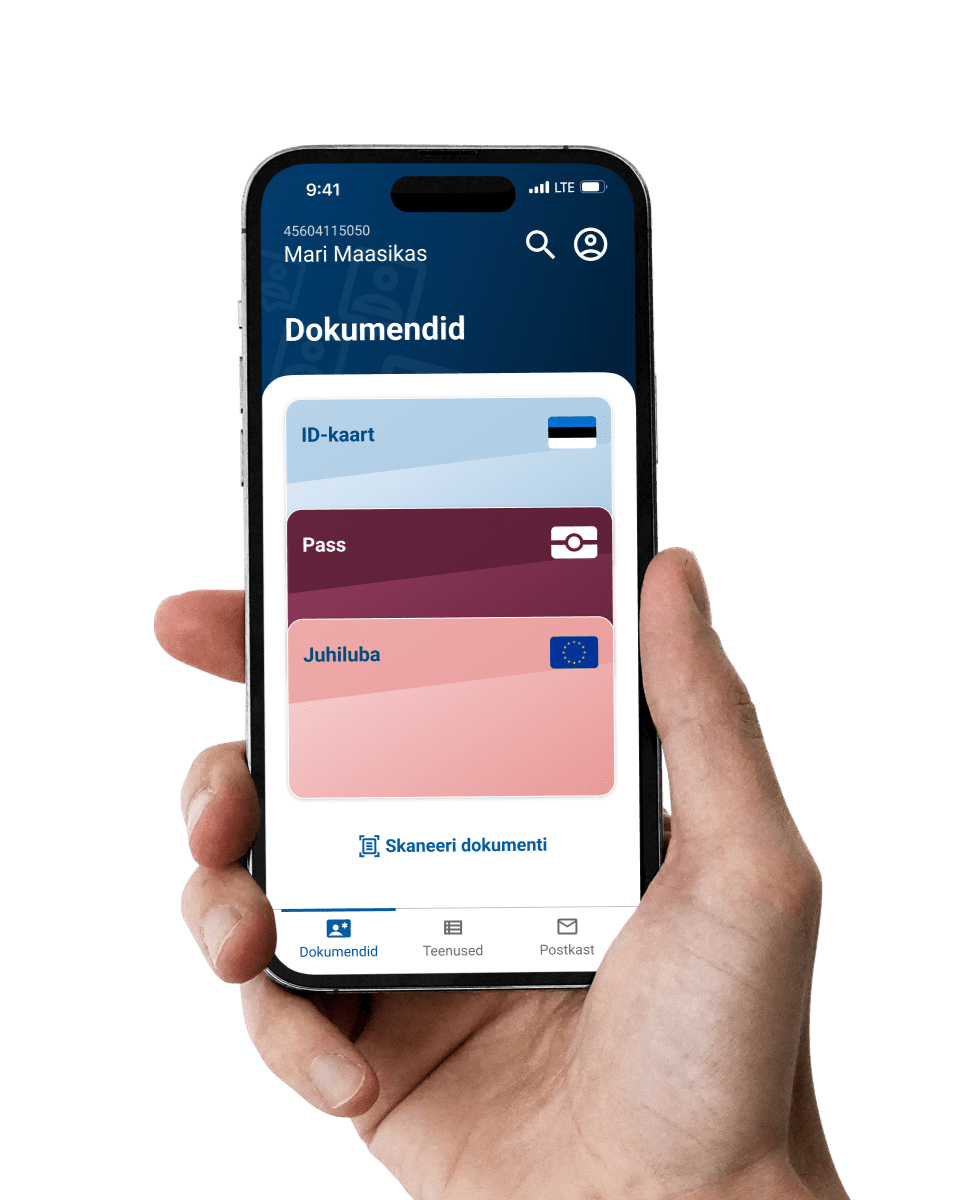
Government in your pocket
using X-Road interoperability
Have a look behind one of the world’s most advanced e-gov apps. Learn how national digital government app connects citizens and many institutions reliably, securely and at scale.
The official Eesti App and X-Road interoperability services demonstrate how interoperable, audited data exchange works across ministries, agencies, and registries without centralising data.
- 1,000+ organisations already connected via X-Road in Estonia & Finland
- Fully interoperable with EU eIDAS, GDPR, multi-vendor systems.
Our experience
25+ years of experience

ISO 9001 Quality management systems
ISO/IEC 27001:2022
Member of
Estonian AI-Leap initative
ITC Cluster Estonia
Deutsch-Baltische Handelskammer

Digital government that works in everyday life.
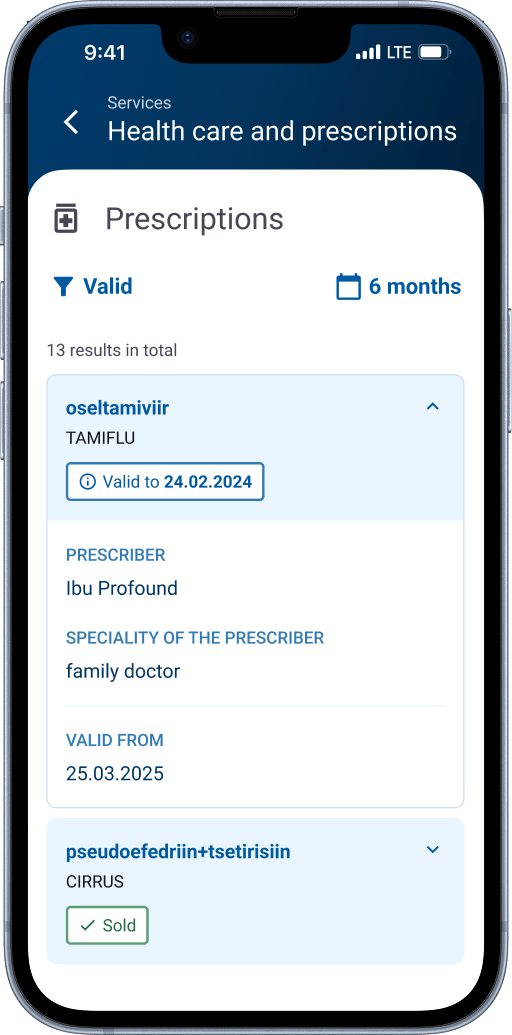
Use government services straight from your pocket. One app, many institutions, controlled and secure data access. Citizen friendly e-government app is not a vision - it exists today.
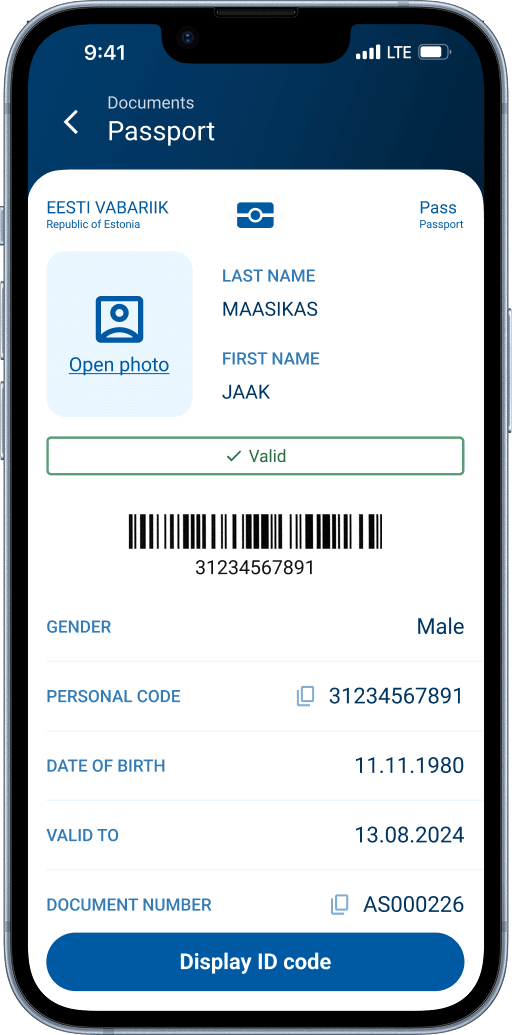
24/7 digital documents access
Identification documents (passport, ID-card, driving licence), certifications, diplomas are all accessible straight from your phone and are legally recognised across institutions.
Digital identity grants access to government services.
Citizens authenticate using legally binding strong two-factor authentication. The same digital identity is used across all public services.
Data accessed only when needed.
Family status, property rights, vehicles ownership, education diplomas, pension data, licenses - everything about the citizen relevant personal data remain in their respective registries while being accessible through one governed interface.
One channel to keep contact.
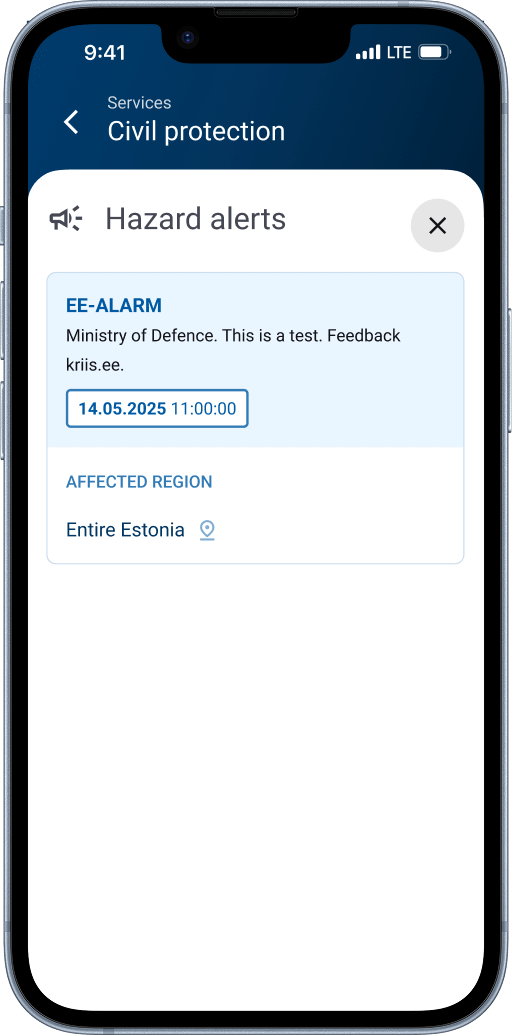
A single and trusted channel for official government communication. Messages, notifications, and legally relevant updates from authorities are delivered through one authenticated channel.
More than 300 government services accessible through one interface
Over 300 services from different authorities are accessible through the app — made possible by interoperable systems, not by centralising services.
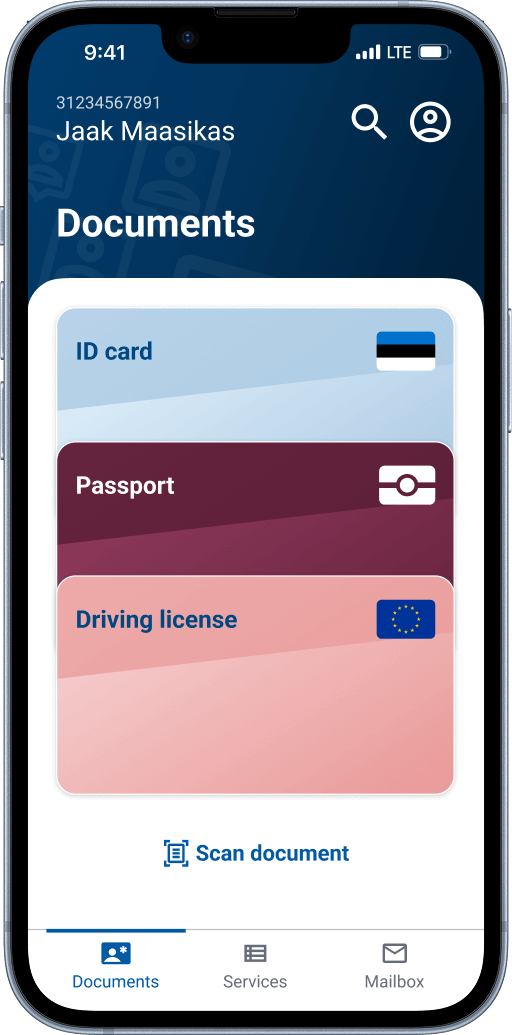
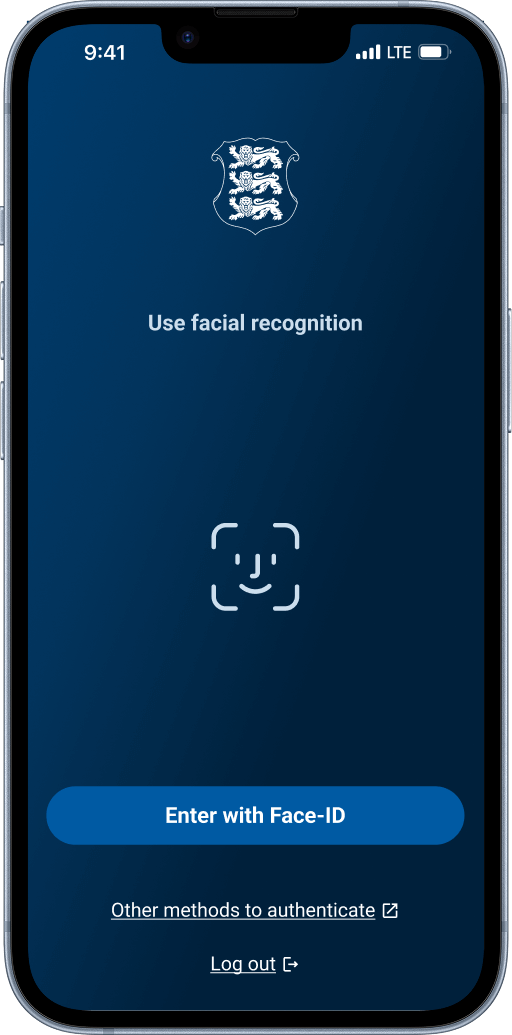

One in seven Estonians uses the Eesti app

Eesti app was developed in 4 months

Fully Integreated with the X-Road data exchange layer
Net Group owned the system architecture and delivery of the Eesti App, integrating secure authentication and national data exchange via X-Road. The first production-ready version was delivered in four months, with full compliance and operational handover.
Success by Net Group 1st working version delivered in 4 months
Priit Kongo, CEO

Bring government with you in your pocket
In everyday life, this means one thing:
citizens only need their phone to identify themselves and interact with public authorities — securely and in a legally binding way.
Net Group helped us turn a complex idea into a clear and reliable digital solution. The collaboration was straightforward, deadlines were met, and the result exceeded our expectations.
Digitalization in cooperatsion with The Information System Authority (RIA) of Republic of Estonia

X-Roadinteroperabilitywithout centralisation
X-Road is not a platform you migrate to.
It is an interoperability layer you add — step by step.
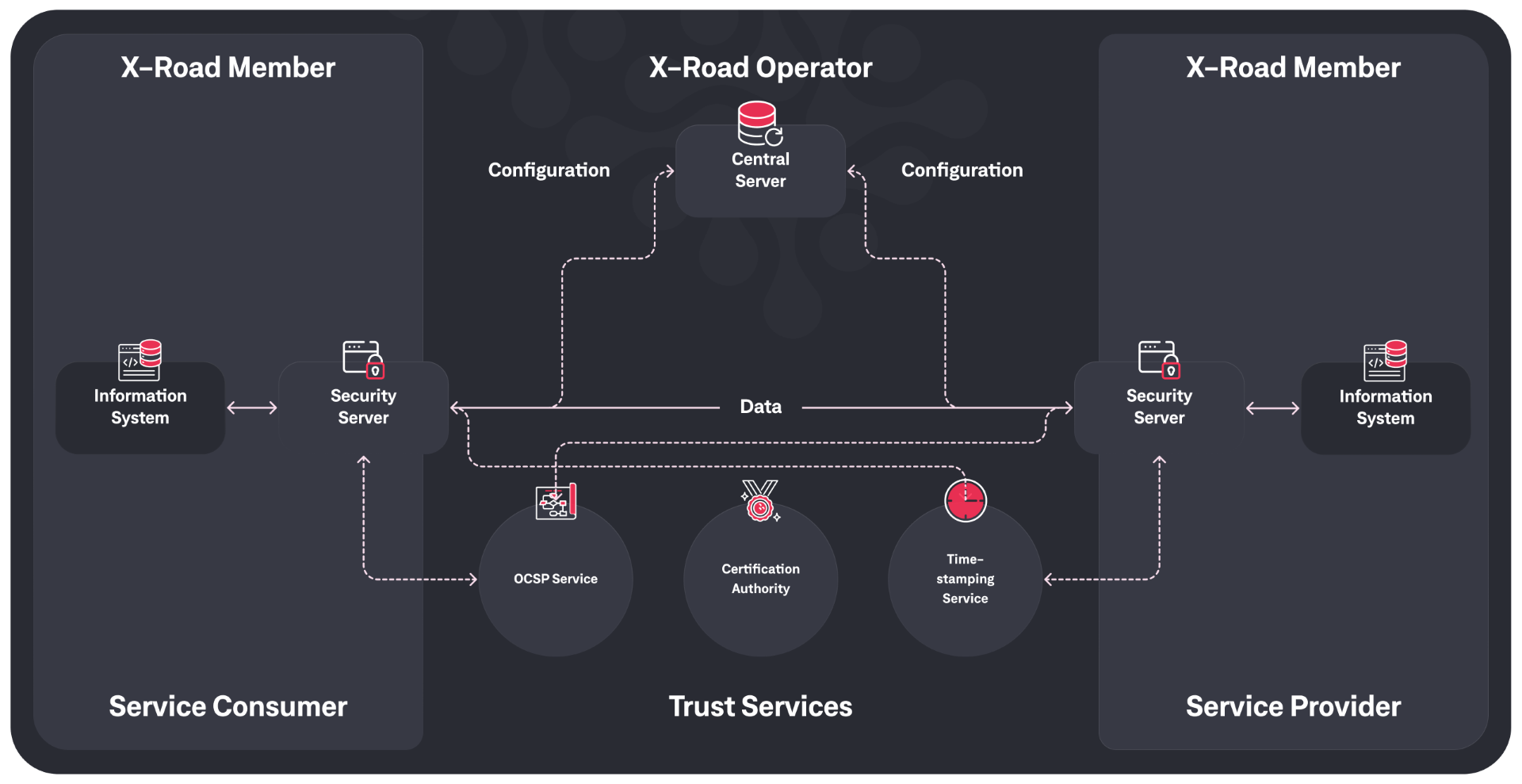
X-Road enables decentralized, encrypted, audited data exchange between institutions.
No central database is created — each institution keeps full control of its systems and data, while secure interfaces handle the exchange. This model has been proven for over 20 years in Estonia, Finland, and Iceland and it is the baseline on which Eesti Äpp and other solutions are built in.
99%
of state services provided
520 000
org leveraging X-Road services
2001
Uninterrupted operations since 2001
Let's start digitalisation together.
Germany
Matthias Voss
Managing Director
matthias.voss@netgroup.com
Rostock
Am Bäckerhörn 53
18146 Rostock
Germany
Estonia
Priit Kongo
CEO / Board Member
priit.kongo@netgroup.com
Tallinn
A.H. Tammsaare tee 92
Tallinn 13423
Estonia
FAQ: E-gov digitalization
What is a government data interoperability layer and why is it important?
A government data interoperability layer securely connects registries, agencies, and information systems so they can exchange data in real time without creating a central database. It enables more efficient digital services, reduces manual work, and supports EU requirements such as eIDAS, GDPR, and the upcoming EUDI Wallet.
How does X-Road ensure data security and privacy?
X-Road uses end-to-end encryption, strong authentication, digitally signed data, and fully auditable logs for every transaction. No data is stored centrally — each organization retains full data ownership. The architecture is compliant with EU regulatory frameworks and has operated for over 20 years without major security incidents.
Can an interoperability platform work with Germany’s federal structure and legacy systems?
Yes. X-Road is designed for decentralized, multi-stakeholder environments. Ministries, Länder authorities, municipalities, and public IT service providers can all maintain their own systems while securely exchanging data through standardized interfaces. It requires no replacement of legacy systems and integrates with existing platforms such as ERP, CRM, health systems, and registers.
How does this support Germany’s EUDI Wallet and Register Modernization initiatives?
The biggest challenge for EUDI and Register Modernization is interoperability between identity providers, registers, and service platforms. Estonia and Finland solved this using the same principles: secure, federated data exchange. The architecture is directly applicable to Germany’s upcoming requirements and reduces implementation risk.
What is the typical timeline for implementing a government interoperability solution?
Timelines depend on the number of institutions involved, but pilot environments can be deployed in weeks, with initial integrations in 2–4 months. Estonia’s national e-government app was delivered in four months using an X-Road-based architecture. Progressive rollout allows low-risk adoption and step-by-step modernization.
Why should public institutions start digitalization now instead of waiting?
Waiting increases regulatory, operational, and cybersecurity risks. EU deadlines for EUDI will not move, legacy systems become harder to secure, and citizens expect faster digital services. Starting early allows controlled implementation and avoids rushed, high-risk projects later.

Büro in Estland
A.H. Tammsaare tee 92
Tallinn 13423
Estland
Büro in Deutschland
Am Bäckerhörn 53
18146 Rostock
Deutschland
Net Group folgen

Frequently Asked Questions
Your Title Goes Here
Your content goes here. Edit or remove this text inline or in the module Content settings. You can also style every aspect of this content in the module Design settings and even apply custom CSS to this text in the module Advanced settings.
Your Title Goes Here
Your content goes here. Edit or remove this text inline or in the module Content settings. You can also style every aspect of this content in the module Design settings and even apply custom CSS to this text in the module Advanced settings.
Your Title Goes Here
Your content goes here. Edit or remove this text inline or in the module Content settings. You can also style every aspect of this content in the module Design settings and even apply custom CSS to this text in the module Advanced settings.
Your Title Goes Here
Your content goes here. Edit or remove this text inline or in the module Content settings. You can also style every aspect of this content in the module Design settings and even apply custom CSS to this text in the module Advanced settings.
Your Title Goes Here
Your content goes here. Edit or remove this text inline or in the module Content settings. You can also style every aspect of this content in the module Design settings and even apply custom CSS to this text in the module Advanced settings.